
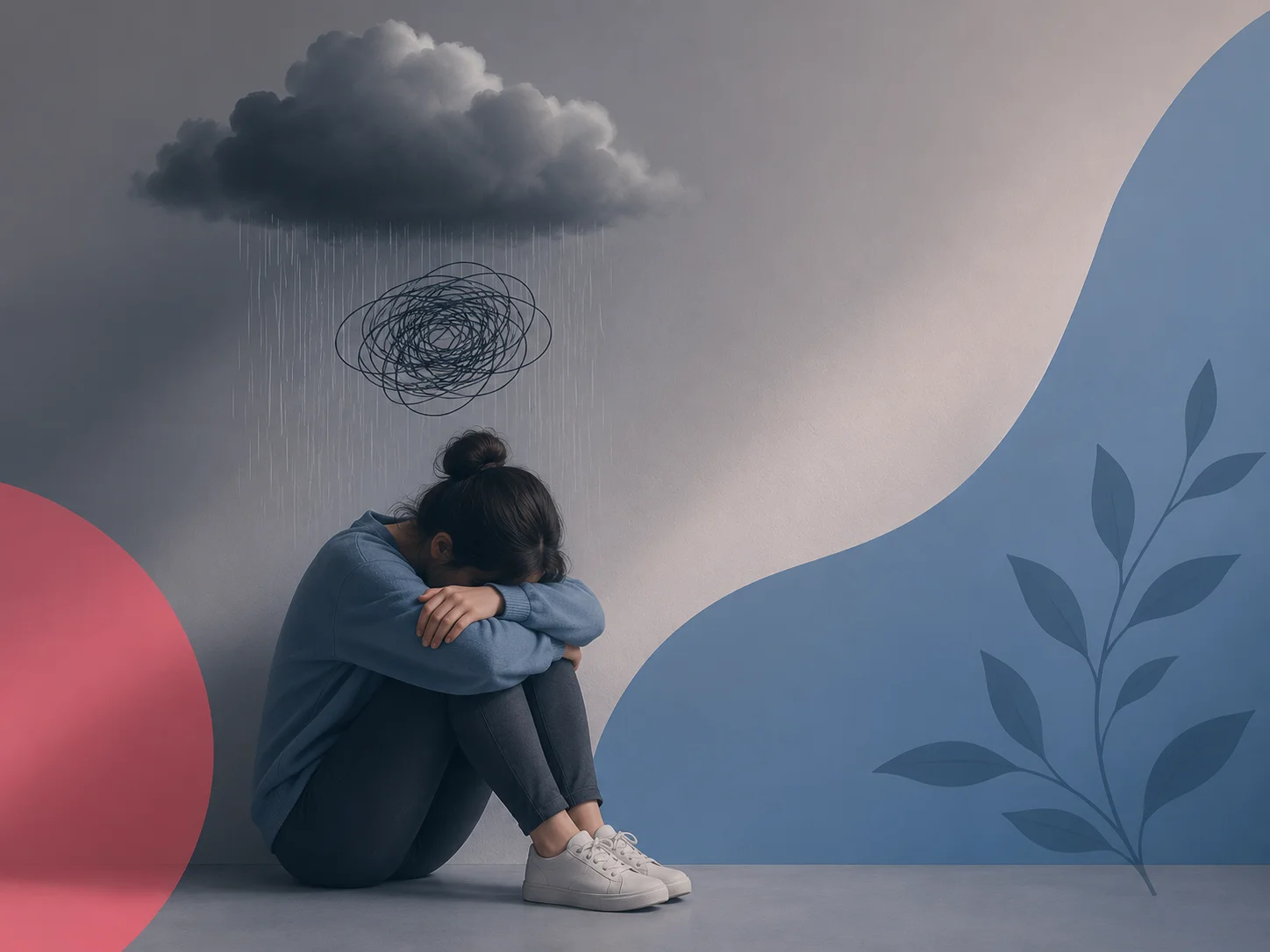
What Is Depression?
Depression is one of the most prevalent mental health disorders worldwide. It is often described as an illness of the modern age because of its association with many of the challenges and pressures of contemporary life.
Depression is not limited to feelings of sadness. It can develop into a profound psychological condition that affects a person’s thoughts, behavior, relationships, and everyday life. Some people may feel ashamed of experiencing depression or view it as a stigma, while others may find it difficult to distinguish depression from other mental health conditions.
In this article, we explore what depression is, its possible causes and risk factors, its psychological and physical symptoms, and the treatment and recovery options available.
What Is Depression from a Medical and Psychological Perspective?
Depression is more than a temporary feeling of sadness, distress, or a change in mood that disappears after a short period. Clinically, depression is characterized by persistent symptoms that can significantly affect a person’s daily functioning and may continue for two weeks or longer.
Depression differs from ordinary mood fluctuations caused by everyday stress. Its symptoms tend to be more persistent and profound and may be accompanied by an overwhelming sense of hopelessness that makes returning to normal daily life difficult.
Its effects are not limited to thoughts and emotions. Depression can also affect the body. The close relationship between the brain and the rest of the body helps explain why psychological and physical symptoms can occur together. Changes in biological processes involved in mood regulation may affect energy levels, sleep, appetite, concentration, and overall well-being.
For this reason, depression can be a complex experience that requires understanding, appropriate assessment, and professional care.
Common Causes and Risk Factors for Depression
There is rarely one single cause of depression. Instead, it may develop through a complex interaction of biological, psychological, social, and environmental factors.
Some of the most important factors include:
Biological Factors and Brain Chemistry
Biological processes in the brain play an important role in mood regulation. Neurotransmitters are chemical messengers involved in communication between nerve cells and are among the many biological systems associated with mood and emotional regulation.
Depression, however, cannot be explained simply as a “chemical imbalance.” Researchers understand it as a complex condition involving multiple biological, psychological, and environmental factors.
Life Stress and Emotional Trauma
External circumstances and prolonged stress can contribute to the development of depression.
Difficult experiences such as emotional trauma, relationship problems, work-related stress, financial difficulties, bereavement, or other major life changes can place considerable strain on a person’s psychological well-being.
When stress becomes prolonged or overwhelming, it may increase vulnerability to depressive symptoms, particularly when combined with other risk factors.
Genetic Predisposition and Family History
Genetics may also influence a person’s vulnerability to depression. People with a family history of depression or other mood disorders may have an increased risk of developing the condition.
However, having a genetic predisposition does not mean that a person will necessarily develop depression. Genetics interact with psychological, social, and environmental factors.

How Can You Recognize the Symptoms of Depression?
Recognizing the symptoms early can be an important step toward receiving appropriate support.
Depression does not affect everyone in exactly the same way. Symptoms may vary in type, intensity, and duration, but they often affect both psychological and physical well-being.
Psychological Symptoms
Psychological symptoms may involve significant changes in a person’s emotions, thoughts, behavior, and relationships with others. Common symptoms can include:
Irritability and feelings of guilt: A person may become more irritable, withdraw socially, or experience excessive feelings of guilt and self-blame.
Loss of interest or pleasure: Activities and hobbies that were previously enjoyable may no longer feel rewarding or meaningful.
Persistent feelings of hopelessness: A person may experience persistent negative thoughts and believe that their circumstances will never improve.
Other symptoms may include difficulty concentrating, low self-esteem, reduced motivation, and persistent feelings of sadness or emptiness.
Physical Symptoms
Depression may also present through physical symptoms. These can include:
- Sleep disturbances: A person may experience insomnia, difficulty staying asleep, disrupted sleep, or excessive sleeping.
- Changes in appetite and weight: Some people experience a reduced appetite and weight loss, while others may eat more than usual and experience weight gain.
- Persistent fatigue and low energy: A person may feel exhausted or lack energy even when they have not engaged in significant physical activity.
If you have been experiencing symptoms of depression for two weeks or longer, consider seeking a professional mental health assessment. Appropriate support can help you better understand what you are experiencing and determine the next steps for your well-being.
Treatment and Recovery Options for Depression
Although depression can significantly affect a person’s quality of life, effective treatments are available. The most appropriate approach depends on the individual’s symptoms, circumstances, severity of the condition, and professional assessment.
Treatment may involve one or more complementary approaches.
Psychotherapy and Cognitive Behavioral Therapy
Psychotherapy, sometimes referred to as talk therapy, plays an important role in the treatment of depression.
Approaches such as Cognitive Behavioral Therapy (CBT) can help individuals recognize unhelpful patterns of thinking, develop healthier ways of responding to difficult emotions, and learn practical strategies for managing stress and everyday challenges.
In some cases, consultation with a qualified physician or psychiatrist may also be appropriate to assess whether medication could be beneficial. Decisions regarding medication should be made with an appropriately qualified healthcare professional based on the individual’s needs and clinical circumstances.
The Importance of Psychological and Social Support
Social support can play an important role alongside professional treatment. Feeling understood and supported may help reduce the sense of isolation that often accompanies depression.
A supportive family and social environment that listens without judgment or blame can help individuals feel safer, more connected, and more hopeful throughout the recovery process.
Support from loved ones does not replace professional mental health care when treatment is needed, but it can be a valuable part of the overall recovery process.
Conclusion
Depression is not a sign of personal weakness. It is a recognized mental health condition that deserves appropriate attention, understanding, and care.
Recovery often begins with recognizing that something is wrong and seeking appropriate professional support rather than struggling alone or feeling ashamed about asking for help.
Recovery is not always a straight line. There may be difficult days and setbacks along the way, but appropriate psychological care, supportive relationships, and continued attention to mental well-being can help people move toward a healthier and more fulfilling life.
Your mental health deserves care and attention. If you are struggling with symptoms of depression, seeking support from a qualified mental health professional can be an important first step.